My Planet View · Country guide
Japan
Old temples, neon cities and hot springs, linked by fast and punctual trains.
- Best months
- Mar–May, Oct–Nov
- Last checked
- 16 November 2026

Overview
Japan rewards a first visit and every one after it. Tokyo is vast and orderly, Kyoto keeps hundreds of temples and gardens, and the countryside has mountain walks, hot-spring inns (ryokan) and food taken seriously at every price.
Trains are fast, clean and on time, and a rechargeable IC card such as Suica pays for city trains, buses and convenience-store snacks. English signs are common in cities and stations, less so in the countryside. Cards are widely taken, but small shops, temples and rural places may still want cash.

When to go
- January: Good
- February: Good
- March: Best
- April: Best
- May: Best
- June: Good
- July: Good
- August: Avoid
- September: Good
- October: Best
- November: Best
- December: Good
- Best
- The most pleasant weather for sightseeing and being outdoors.
- Good
- Fine for a visit, with a catch (heat, rain, cold or crowds) named below.
- Avoid
- Most visitors would find it hard going: extreme heat, storms or much of it closed.
Season by season
Spring (March to May)
Cherry blossom opens in late March and early April in Tokyo and Kyoto, earlier in the south and in May in Hokkaido. Mild and dry but crowded, and Golden Week (29 April to 5 May) is one of the busiest travel times of the year.
Summer (June to August)
The rainy season (tsuyu) runs from early June to mid-July in most of the country. Then it turns hot and very humid, often above 35°C in the cities in August. Hokkaido stays cooler, and Mount Fuji's climbing season runs from July to early September.
Autumn (September to November)
September is still warm, and the peak of the typhoon season. October and November are clear and comfortable, and the maple leaves turn red, from October in Hokkaido to late November in Kyoto and Tokyo.
Winter (December to February)
Cold and dry, with bright days on the Pacific side and deep snow on the Sea of Japan side and in Hokkaido, which is good for skiing. Fewer visitors, except over New Year.
The weather
Four clear seasons over most of the country: mild springs and autumns, hot and humid summers, and cold winters. Hokkaido in the north has long snowy winters and cool summers; Okinawa in the far south is subtropical and warm all year, with its rainy season in May and June.
Festivals and holidays
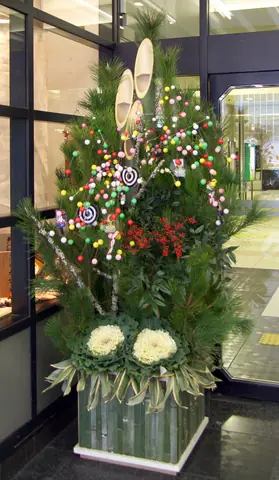
Photo: Fg2, Public domain Shōgatsu (New Year)
1–3 January · Across Japan
The most important holiday: families visit shrines for the first prayers of the year (hatsumōde). Many shops, restaurants and sights close for a few days around it.
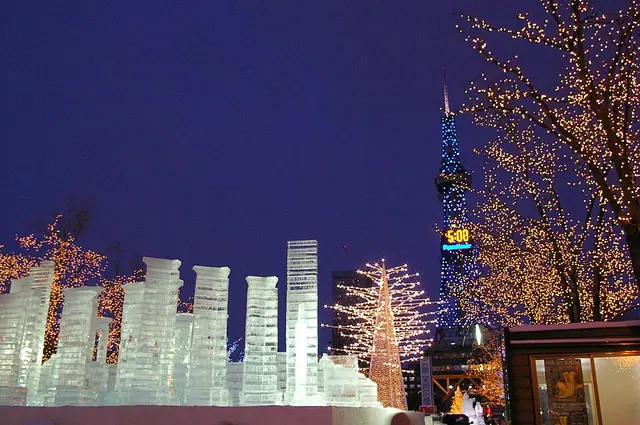
Photo: Materialscientist, CC BY-SA 3.0 Sapporo Snow Festival
Usually in early February, for about a week · Sapporo, Hokkaido
Huge snow and ice sculptures along the city's central park and streets.
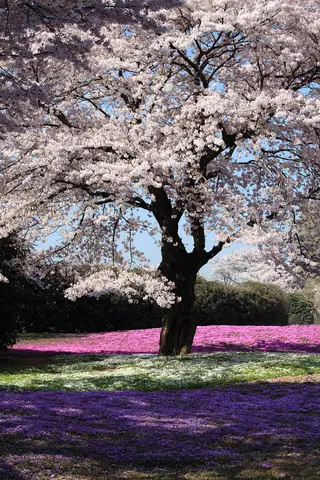
Photo: TANAKA Juuyoh (田中十洋), CC BY 2.0 Cherry blossom (hanami)
Usually late March to early April in Tokyo and Kyoto · Across Japan
Picnics under the blossom in parks, by day and lit up at night. The dates move with the weather each year, so watch the blossom forecasts.
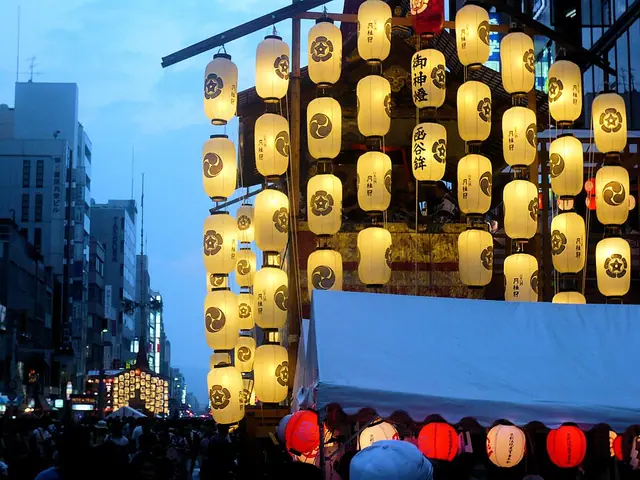
Photo: Stéfan, CC BY-SA 2.0 Gion Matsuri
All of July, with the big parades on 17 and 24 July · Kyoto
One of Japan's best-known festivals: towering wooden floats are pulled through the city centre.
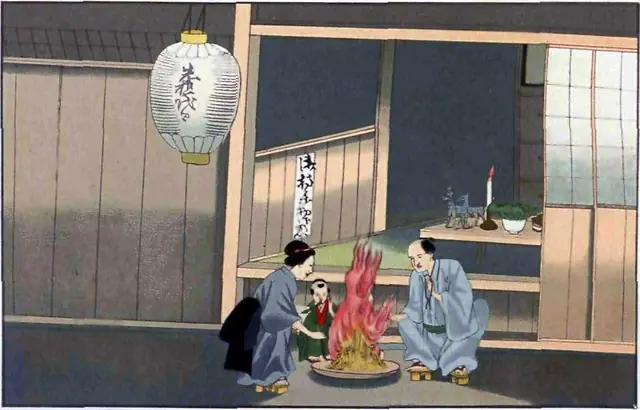
Photo: Unknown author, Public domain Obon
Usually 13–16 August · Across Japan
Families return to their home towns to honour their ancestors, with lanterns and Bon dances. Trains and roads are at their busiest.
Autumn leaves (kōyō)
October in Hokkaido, mid to late November in Kyoto and Tokyo · Across Japan
Temples and mountain valleys turn red and gold, and Kyoto's gardens are as busy as in cherry blossom season.


How regions differ
Hokkaido
Snowy from December to March, for skiing and the Sapporo Snow Festival. Its summers are cool and fresh, with lavender fields in July and no real rainy season.
Okinawa
Subtropical islands far to the south-west, with beach weather from April to October, a rainy season in May and June, and typhoons most likely in late summer and early autumn.
Culture and customs
Greetings
A bow is the usual greeting; a small nod of the head is fine from a visitor, and many people will offer foreigners a handshake. Use family names with "-san" (Tanaka-san), and never add it to your own name.
Tipping
There's no tipping: good service is simply expected, and money left on the table may be brought back to you. Upmarket hotels and ryokan add a service charge to the bill instead.
What to wear
Neat and casual. Wear socks without holes, since your shoes come off often. Covered shoulders and knees are respectful at temples and shrines, though rarely required.
Etiquette
- Take your shoes off when you enter a home, a ryokan and some temples and restaurants: look for a raised floor and a rack of slippers. Wear the separate toilet slippers only in the toilet.
- Keep your voice down on trains, and don't take phone calls on them.
- Don't stand chopsticks upright in rice or pass food from chopsticks to chopsticks: both belong to funeral rites.
- At hot springs (onsen), wash and rinse at the taps before getting into the bath, and bathe without a swimsuit. Some baths turn away people with tattoos, so ask first or look for tattoo-friendly ones.
- Bins are rare in the street: carry your rubbish until you find one, often by a convenience store.
- Eating while walking along the street is frowned on in many places. Eat beside the stall or shop where you bought it.
What to eat
- Sushi and sashimi
- From conveyor-belt restaurants to counters where the chef serves one piece at a time. Dip the fish, not the rice, in the soy sauce.
- Ramen
- Noodle soup in many regional styles: rich pork-bone tonkotsu in Fukuoka, miso in Sapporo, soy-based in Tokyo. Slurping is normal.
- Okonomiyaki
- A savoury pancake of cabbage and batter cooked on a hot plate, mixed together in Osaka or layered with noodles in Hiroshima.
- Tempura
- Seafood and vegetables in a very light batter, best eaten straight from the fryer.
- Kaiseki
- A meal of many small seasonal courses, at its best in Kyoto and at ryokan.
- Konbini food
- Convenience stores such as 7-Eleven, Lawson and FamilyMart sell good, cheap rice balls (onigiri), sandwiches and hot snacks, day and night.
A few words of Japanese
| Phrase | Say it | Meaning |
|---|---|---|
| Konnichiwa | kon-NEE-chee-wah | Hello |
| Arigatō gozaimasu | ah-ree-GAH-toh go-ZAI-mass | Thank you |
| Sumimasen | soo-mee-MAH-sen | Excuse me; sorry |
| Kore o kudasai | KOH-reh oh koo-dah-SAI | This one, please |
| Ikura desu ka? | ee-KOO-rah dess-kah | How much is it? |
| Eigo o hanasemasu ka? | AY-go oh hah-nah-seh-MASS-kah | Do you speak English? |
| Itadakimasu | ee-tah-dah-kee-MASS | Said before eating ("I humbly receive") |
| Oishii | oy-SHEE | Delicious |
Landmarks in Japan
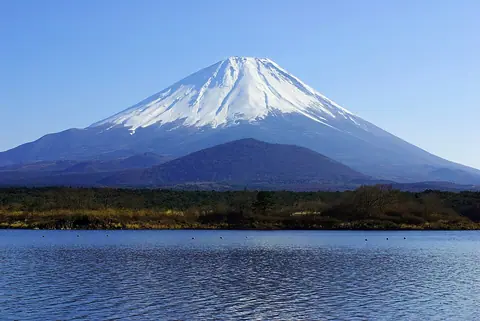
Photo: 名古屋太郎, (edited by Hannes_24 ), CC BY-SA 3.0 mountain
Mount Fuji
Add a photo taken within 20 km of it, with its location saved, and your map suggests this landmark for it.
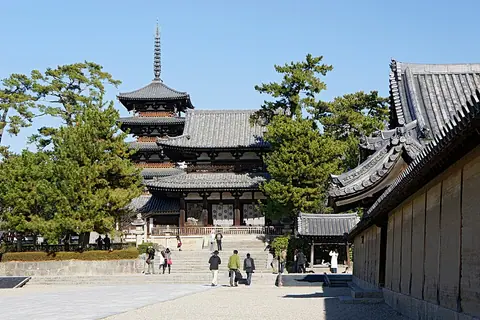
Photo: 663highland, CC BY 2.5 site
Hōryū-ji
Add a photo taken within 1.9 km of it, with its location saved, and your map suggests this landmark for it.
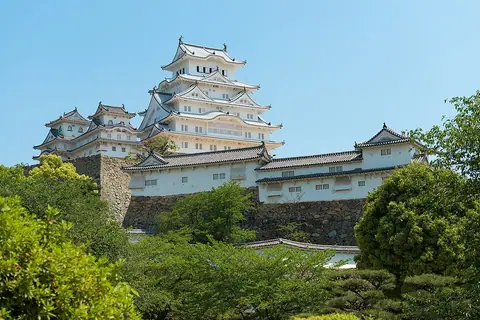
Photo: Nikos Kitsakis, CC BY-SA 4.0 building
Himeji Castle
Add a photo taken within 900 m of it, with its location saved, and your map suggests this landmark for it.
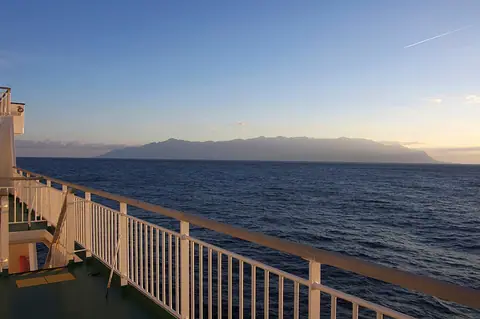
Photo: tsuda from Tsushima, Aichi, Japan, CC BY-SA 2.0 island
Yakushima
Add a photo taken within 3 km of it, with its location saved, and your map suggests this landmark for it.
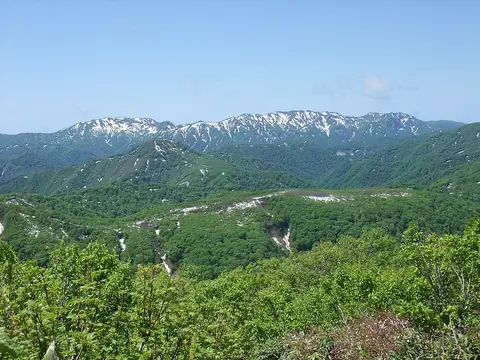
Photo: らんで, CC BY-SA 3.0 range
Shirakami-Sanchi
Add a photo taken within 10 km of it, with its location saved, and your map suggests this landmark for it.
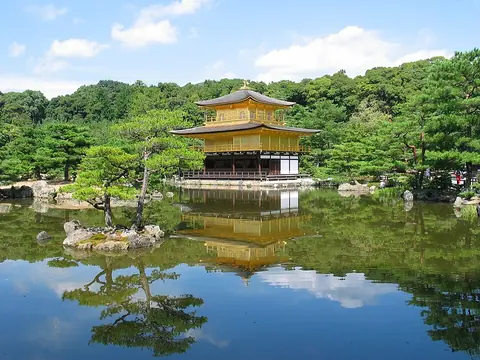
Photo: Keith Pomakis, CC BY-SA 2.5 site
Historic Monuments of Ancient Kyoto
Add a photo taken within 15 km of it, with its location saved, and your map suggests this landmark for it.
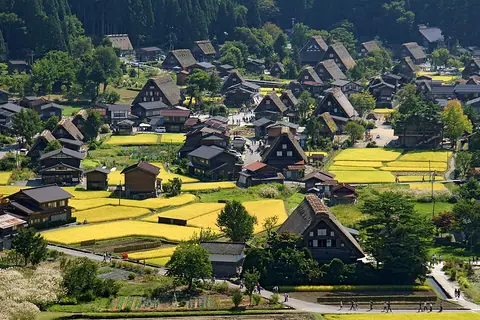
Photo: 663highland, CC BY 2.5 site
Shirakawa-go and Gokayama
Add a photo taken within 15 km of it, with its location saved, and your map suggests this landmark for it.
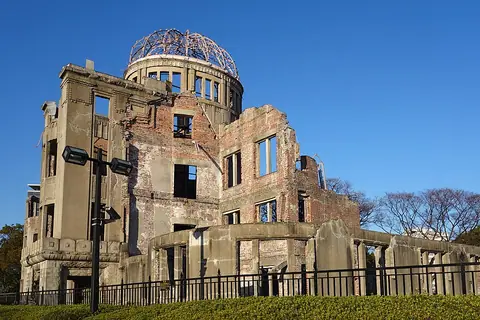
Photo: Oilstreet, CC BY 2.5 building
Hiroshima Peace Memorial
Add a photo taken within 300 m of it, with its location saved, and your map suggests this landmark for it.
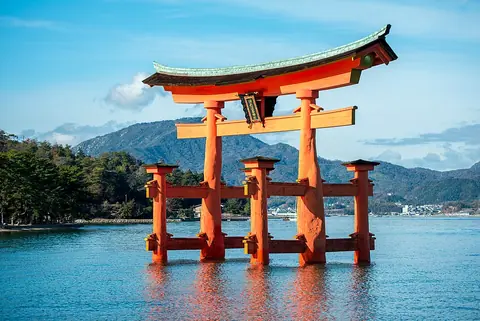
Photo: JordyMeow, CC BY-SA 3.0 building
Itsukushima Shrine
Add a photo taken within 1.5 km of it, with its location saved, and your map suggests this landmark for it.


Practical facts
- Currency
- Japanese yen (¥)
- Languages
- Japanese
- Plugs and voltage
- Types A and B (two flat pins), 100 V
- Driving
- On the left
- Time
- Japan Standard Time, UTC+9, all year (no summer time)
- Emergency number
- 110 for police; 119 for fire and ambulance; 118 for the coast guard
- Calling code
- +81
From Japan on Wikidata (free to reuse, CC0), queried on 16 November 2026. Rules and numbers change: check before you travel.
Plan your trip
Places to stay, tours, flights and travel insurance for Japan, from our travel partners: open the Travel Desk when you’re ready to book.
Partner offers. We may earn a commission if you book, at no cost to you.
Start your map
Colour in Japan and every other country you've been to, add your photos and plan the next trip. Your map is private and free to start.